Last week I wrote about the invisible tax. The money that leaves sophisticated investors’ portfolios every year because nobody’s job is to catch it. Tax strategy that isn’t optimized. Deals that never reach you. Due diligence you can’t afford to run alone. Coverage gaps that only show up in the year you actually need the coverage.
Today I want to write about the other side of that equation:
What happens when the gap gets filled.
Not next quarter. Not next year. Over five and ten years, when the same infrastructure is quietly running underneath every decision you make.

The Analyst Who Doesn’t Work for You (But Works for You)
We recently brought on a dedicated analyst who came out of one of the top family office advisory groups in North America. His job is to tear apart the deals that come across our desk. Not with a sales agenda or to push a fund… but to find the reasons to say no.
He reviews five to ten deals a month. Does deep dives on one to three of them. Publishes his findings to the community whether you invest in the deal or not.
That last part is what most people miss.
If you’re an individual investor and you spend forty hours diligencing a deal you decide not to do, you get nothing. Those forty hours are just gone. When the analyst does that same work for the community, you get the analysis whether the deal fits you or not. You learn from every deal we look at, not just the ones you write a check on.
Over ten years, that’s thousands of hours of diligence you didn’t have to run yourself. Thousands of pattern recognition inputs. Thousands of “here’s what we caught in the data room that the deck didn’t show you” moments.
That’s not a service. That’s compounding education.
The Tax Bench That Actually Talks to Each Other
Most sophisticated investors have a CPA. Some have a CPA and a separate estate planning attorney. A few have a CPA, an estate attorney, and an asset protection specialist. They’re all good at their piece, and rarely talk to each other.
The problem is that most of the strategies that actually matter are cross-functional. The estate structure affects the tax strategy affects the entity setup affects the asset protection affects the deal structure. Change one piece without the others knowing, and you leave money on the table or create exposure you didn’t intend.
A coordinated bench solves that.
The tax strategist knows what the estate attorney is doing. The estate attorney knows what the deal counsel is doing. The deal counsel knows what the insurance advisor is doing. Every decision gets run through the whole team, not just the one specialist in front of you at the moment.

Over ten years, that coordination compounds. Not just in dollars saved, though the dollars are real. In decisions you didn’t have to second-guess, because the people watching your back were watching the same field.
Want the Lens in real time?
Every Sunday, the Lens lands in your inbox the moment it’s published. Join the email list and never miss an edition.
The Operator Network That Takes Your Call
Once you’ve been in the room with the same operators for a few years, the relationship changes.
They call you before they list. They give you a first look. They negotiate. They send the deal to the community before they send it anywhere else because they know the community moves faster and asks better questions than most institutional check-writers.
That access doesn’t exist in year one. It gets built. Every deal a community does with a good operator is an audition for the next deal. And the next one. By year five, you’re not chasing operators. You’re picking from operators who want to work with you.
That’s the network effect nobody prices into their allocation model. But it’s one of the highest-return line items on the whole spreadsheet.
The Compounding of Being Around Better Thinking
Here’s the part I have the hardest time explaining to people who haven’t been in it.
The single biggest return I’ve gotten from investing in community isn’t the deals or the tax strategy or the coverage. It’s how much better my thinking has gotten by being around other people making the same decisions.
I’ve watched members catch mistakes in each other’s deals that would have cost seven figures. I’ve watched a comment in a meeting reroute someone’s estate plan and save them a generational tax hit. I’ve seen a single introduction change the trajectory of a member’s whole portfolio.
You can’t put that in a fee comparison. It doesn’t show up in the invisible tax math from last week. But if I had to point at the highest ROI line item across all of this, it’s not the deals or the diligence or the tax strategy.
It’s the room.

Where This Comes Together in Person
We do our annual fall event, Lifestyle Investor Live, at the end of September in Austin. Small group. Curated. This year we’re formally rolling out the family office framework we’ve been building for the last eighteen months, along with the analyst, the tax bench, the estate bench, and the operator network.
If you’ve been reading these emails and wondering what the actual infrastructure looks like on the ground, this is the event where you’d see it in the room. Not on a deck. In conversations, in the actual coordination between our team and the specialists we work with, in the deals we’re currently vetting.
Until next week,
Justin

Keep Learning
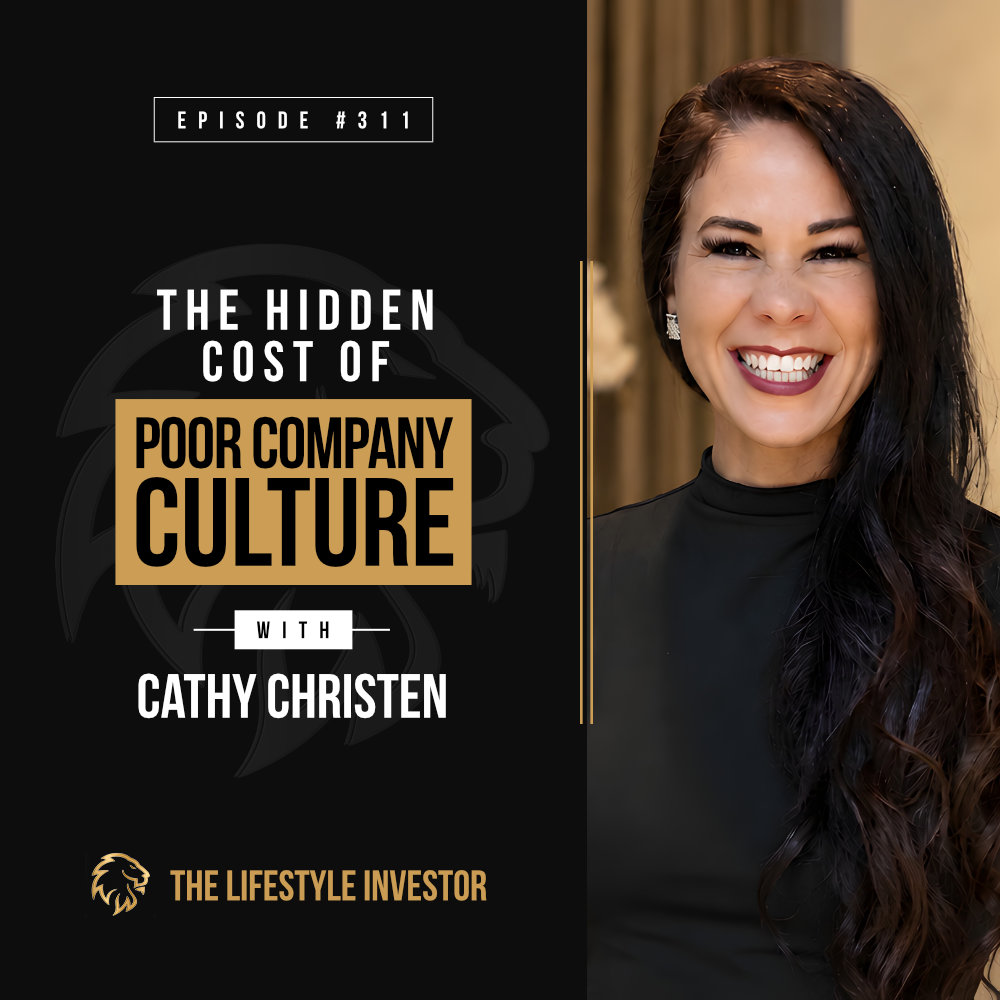
The Hidden Cost of Poor Company Culture with Cathy Christen – EP 311
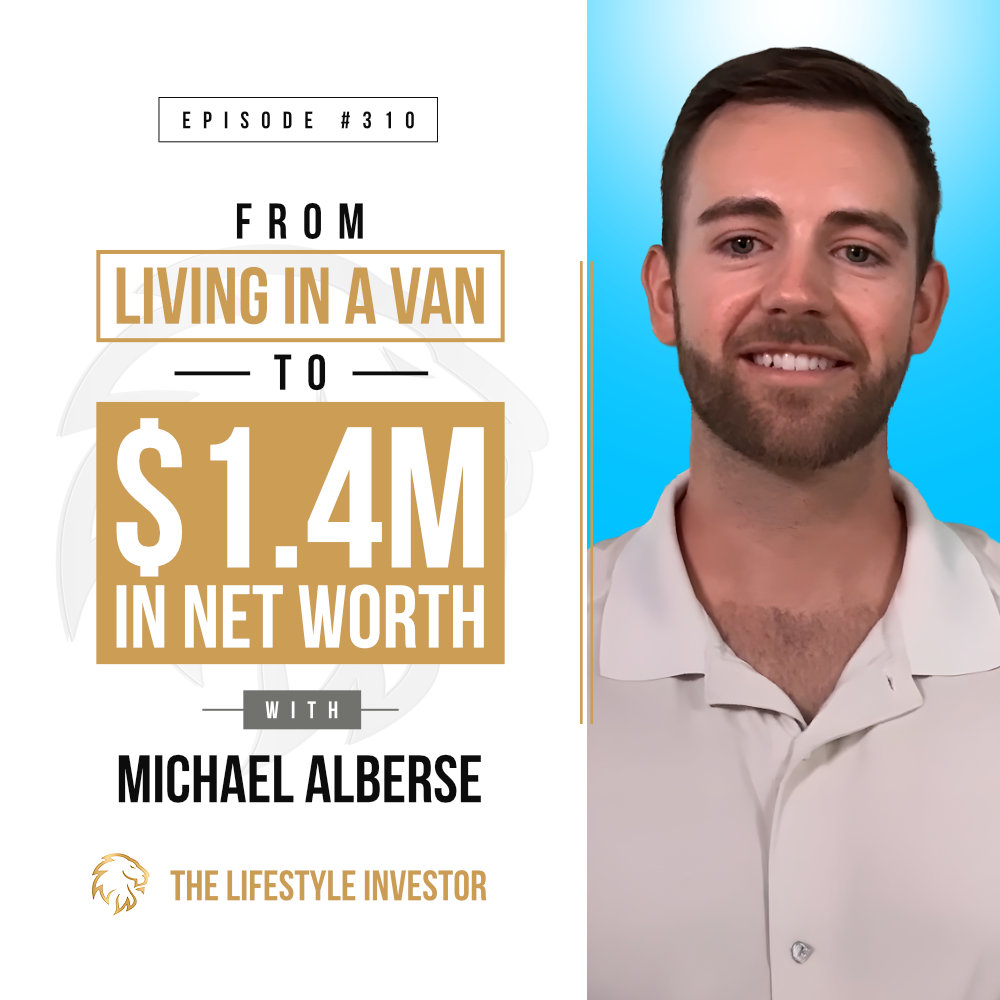
From Living in a Van to $1.4M in Net Worth with Michael Alberse – EP 310