![Logo 1 Gold horiz [Converted]](https://lifestyleinvestor.com/wp-content/uploads/2019/08/Logo-1-Gold-horiz-Converted.png "Logo 1 Gold horiz [Converted]")
I want to share something that might be the most valuable document I’ve ever created. And I’m going to explain why before I tell you what it is.
The Problem with Emotional Decisions
A deal comes across your desk. It looks good. The operator is charming. The numbers are reasonable. Your FOMO is rising because you’ve been looking for something and this is something.
So you write a check.
Six months later, when the deal hits a rough patch, you’re in a different emotional state. You’re anxious. You’re reading every email three times. You’re wondering if you made a mistake. And you’re making decisions from that anxious place.
The problem is this: the emotional state you’re in when evaluating the deal is not the same emotional state you’ll be in when managing the deal.
I learned this the hard way. I’ve written checks in moments of enthusiasm and regretted them in moments of doubt. I’ve also passed on deals in moments of fear that would have done great.
The solution sounds simple. But it’s incredibly powerful.
The One-Pager
What I do now is this: in a clear, grounded moment — usually when I’m at home, nobody’s pitching me, and I’m just thinking about what I actually believe — I write down a one or two-page document.
On that document, I write down:
- Every characteristic a deal needs to have for me to say yes
- Every characteristic that would be an automatic no
- What risk I’m willing to take
- What risk I’m not willing to take
- What my expected return needs to be
- What my deal-breakers are
I write it in plain language. Not fancy. Not theoretical. Just: “Here’s what I’m actually looking for.”
Then I print it out. And I put it somewhere I’ll see it when the next deal lands.

How This Works in Practice
Fast forward. A deal shows up. The operator is compelling. The story is good. But when I read my investment criteria, I notice something: it violates my “no leverage over 65%” rule. Or it’s in a market I said I wouldn’t touch. Or the operator doesn’t have the track record I decided was non-negotiable.
I read my one-pager. And I say no.
That’s it. I don’t negotiate with myself. I don’t try to figure out why this one is different. I have a document that reflects what I believed in a clear moment, and I follow it.
The magic isn’t in being right about what’s on the page. The magic is in making the decision once, so you don’t have to make it a hundred times when emotion is involved.
Why This Matters So Much
Do you know what the difference is between the people who do well with private investing and the people who don’t?
It’s not that they find better deals. It’s not that they have better luck.
It’s that they say no more often. And they say no consistently.
The returns in private investing come from discipline, not brilliance. They come from passing on the 90% that don’t meet your bar so you have capital available for the 10% that do.
But most people can’t say no to 90% of deals because they’re making the decision in the moment, with emotion, with FOMO, with the operator’s charisma working on them.
The one-pager solves that. You made your decision about what’s acceptable when you were thinking clearly. Now you’re just following the plan.
What Goes on Mine
I keep mine simple. For any deal I’m considering, I ask:
- Do I understand what this business actually does?
- Does the operator have a 10+ year track record of success?
- Is this senior secured or preferred equity (downside protection)?
- Will I get my principal back in 3 years or less?
- Does this generate cash flow in the first 12 months?
- Is leverage under 65%?
- Can I do due diligence myself or with my team?
- Is this something I would own even if the exit never happened?
If the answer to all of those is yes, I can write a check. If the answer to any of them is no, I don’t.
It’s not magic. It’s just discipline.

One More Thing
The real power of this isn’t that you’ll say no to more deals. It’s that you’ll understand your own risk tolerance so clearly that you’ll actually enjoy the deals you do say yes to.
You’ll know exactly why you own them. You’ll know exactly what can go wrong. And you won’t be second-guessing yourself in the bad moments because you already decided all of that was acceptable when you were thinking clearly.
Until next week,
Justin

Keep Learning
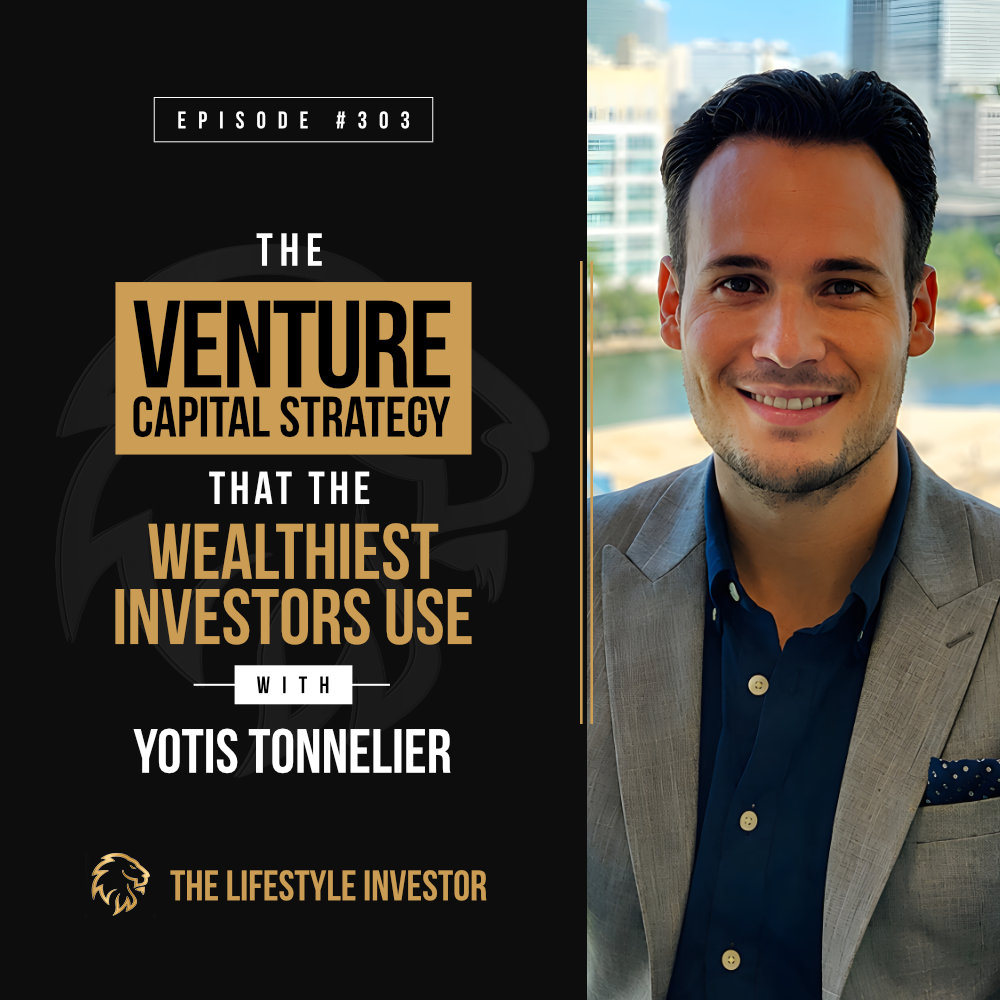
The Venture Capital Strategy That The Wealthiest Investors Use with Yotis Tonnelier – EP 303
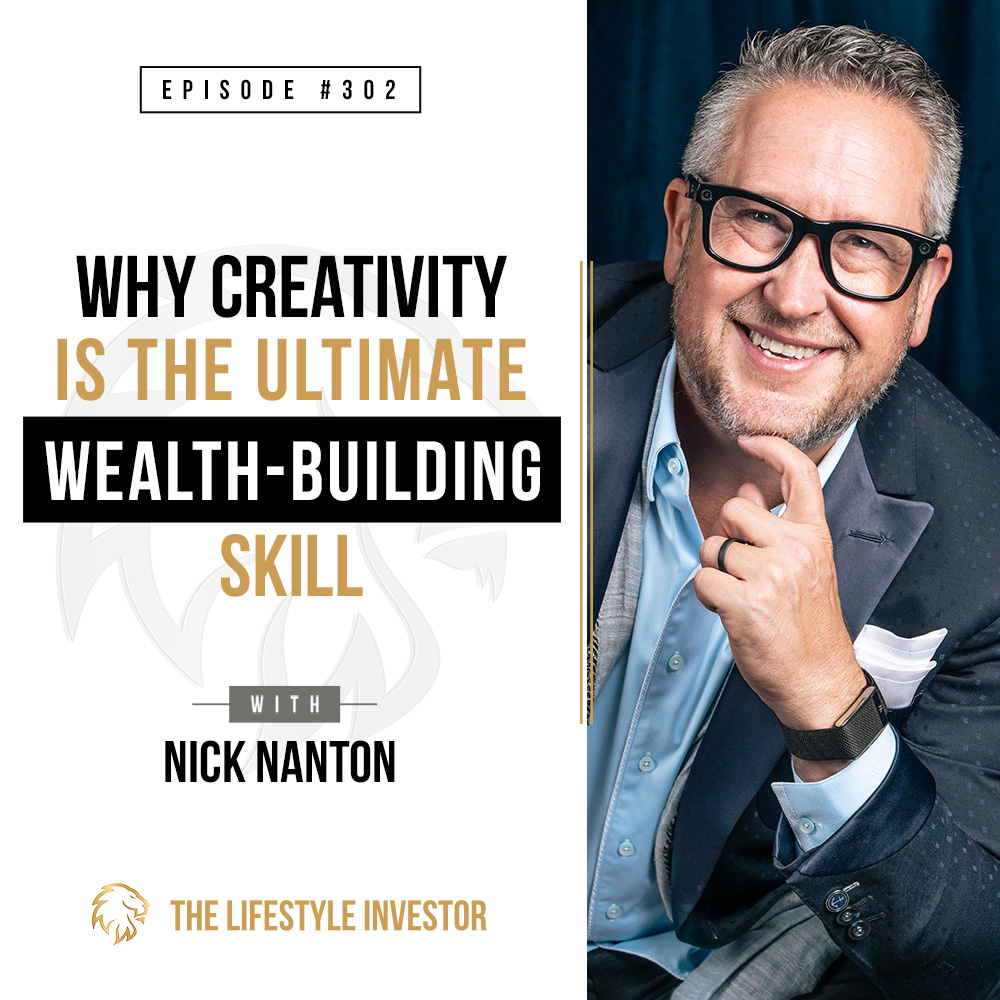
Why Creativity Is the Ultimate Wealth-Building Skill with Nick Nanton – EP 302