![Logo 1 Gold horiz [Converted]](https://lifestyleinvestor.com/wp-content/uploads/2019/08/Logo-1-Gold-horiz-Converted.png "Logo 1 Gold horiz [Converted]")
I gave a talk a few months back to a room of about forty founders. Pure entrepreneurs. Not a single non-operator in the group.
I opened with something that landed harder than I expected.
“Entrepreneurs are the worst investors I know.”
A few laughs. A few looks of “wait, what.” And then I explained why, and I watched the recognition land on a lot of faces.

I’ll share the same thing with you here, because I think it’s one of the most important reframes I can offer to a high-earning founder who’s starting to invest seriously.
The Trait That Built Your Business
If you’ve built something, you are almost certainly an eternal optimist. You have to be. That’s the makeup.
You ran through walls when the numbers didn’t work. You pivoted when the model broke. You hired the wrong person, fixed it, and kept going. You found growth in a year when growth wasn’t supposed to exist.
That trait is the reason your business exists. It’s the reason you can afford to even think about private investing.
And it’s the exact trait that will sink you the moment you start writing checks.
The Default Setting Most Founders Have
Here’s what I mean.
Most entrepreneurs walk into a deal with this default question running in their head… “This looks like a good deal. Is there anything obviously wrong with it?”
If they don’t see anything obviously wrong, they invest.
That is, in my experience, one of the most expensive operating systems a founder can carry into the investment world. Because most deals are actually bad deals. Most of them. The base rate is against you, not with you.
The right default for an investor is the opposite. You walk in assuming the deal is probably bad, and you stay there until the operator, the structure, and the numbers prove otherwise.
It’s a small shift in framing. It changes everything about what gets through your filter.

What This Looked Like for Me
I’ll be honest. I made every version of this mistake early on.
I invested in a friend’s company because it was a friend’s company. I trusted a financial advisor who didn’t have his own money in the products he put me in. I did private credit deals where I thought I’d priced the risk correctly and I hadn’t. I lost real money on more than one of them.
And every single time, the postmortem was the same. I went into the deal as an entrepreneur. I assumed it would work because that’s what I do for a living… I make things work. I figured if something went sideways, I’d just figure it out.
You cannot figure out a passive investment after the fact. You’re not running it. You’re not on the operating side. Once you’ve signed and wired, your only lever is whether you picked the right deal in the first place.
The Skill That Has to Come Online
Here’s the part most founders don’t want to hear.
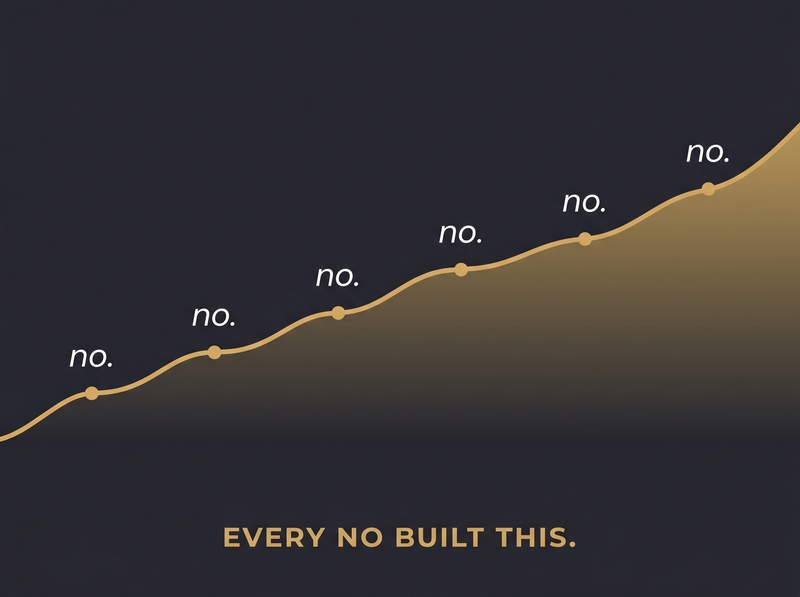
The skill of investing is mostly the skill of saying no. It’s not the skill of finding great deals. It’s the skill of rejecting the ones that don’t clear your bar, even when they look fine, even when a friend is in the deal, even when the operator is charming and the deck is beautiful and the projections look reasonable.
In our community we vet over a hundred deals a year and pass on most of them. Our internal due diligence spend runs into six figures a year. And we still say no to the vast majority of what crosses our desk.
That’s not because we’re cynical. It’s because the math of investing rewards the no. One bad deal can wipe out the returns from three or four good ones. Saying no is the active skill, and most entrepreneurs have to retrain themselves to do it.
There’s a member of our team who tells a story about joining a different investment group before ours. In his first week he got five direct pitches. He sent one to our analyst, a multifamily deal that looked clean. Our analyst emailed back in forty minutes. “Awful. Not even a chance.”
When you’re new to private investing, almost everything looks good. That’s exactly when you’re most exposed.
The Reframe
So here’s the small shift I’d offer if you take one thing from this email.
The next time a deal crosses your desk, change the default. Walk in assuming it’s a bad deal. Make the operator, the structure, and the math prove otherwise.
That single change… entering skeptically instead of optimistically… will save you more money over the next decade than almost anything else I could teach you.
The optimism that built your business stays where it belongs. Inside the business. Outside the business, you want a different operating system entirely.
Until next week,
Justin
P.S. Quick one for you. Has there ever been a deal you wrote a check for because you trusted the person, not because the deal cleared your bar? You don’t have to share what happened. I just want to know how common it is, because I see it constantly and I want to write more about it. Send me an email and let me know.

Keep Learning

The 3 Health Metrics Everyone Should Be Tracking To Improve Longevity with Dr. Ryan Williamson, M.D. – EP 305
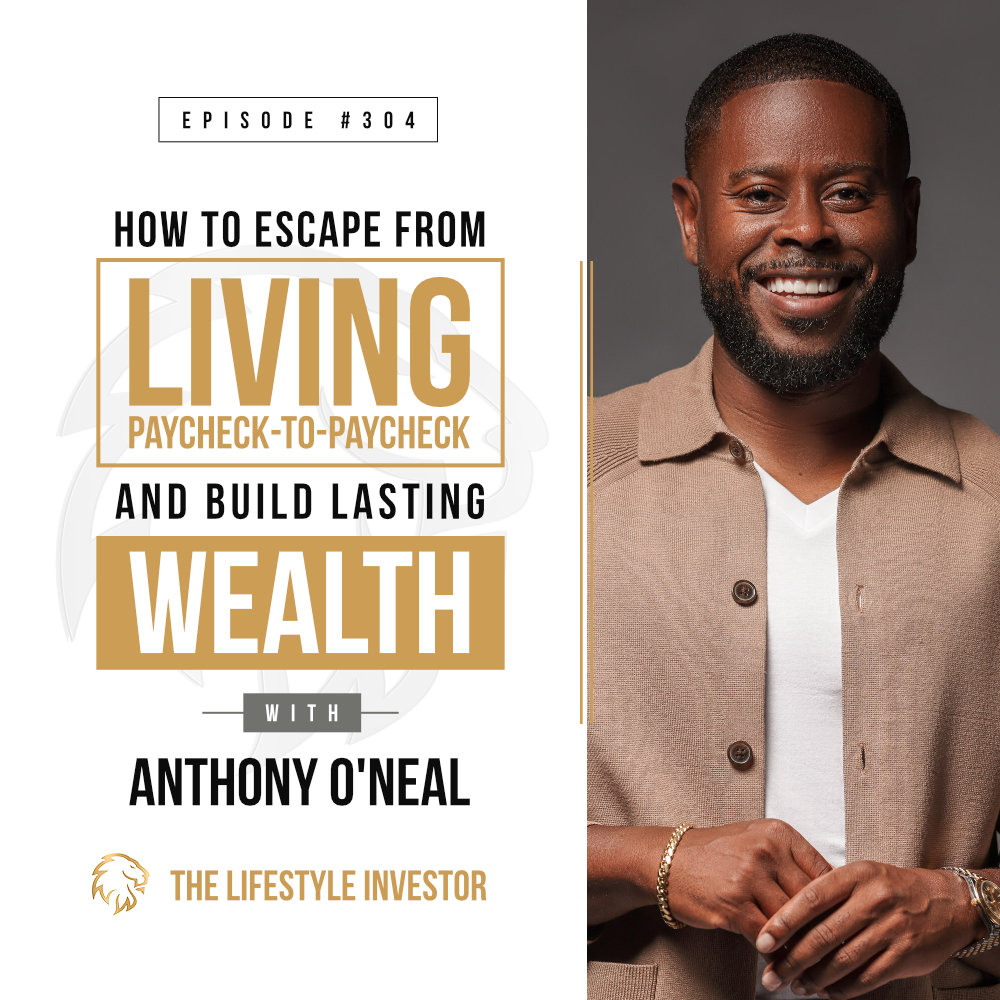
How to Escape From Living Paycheck-to-Paycheck and Build Lasting Wealth with Anthony O’Neal – EP 304