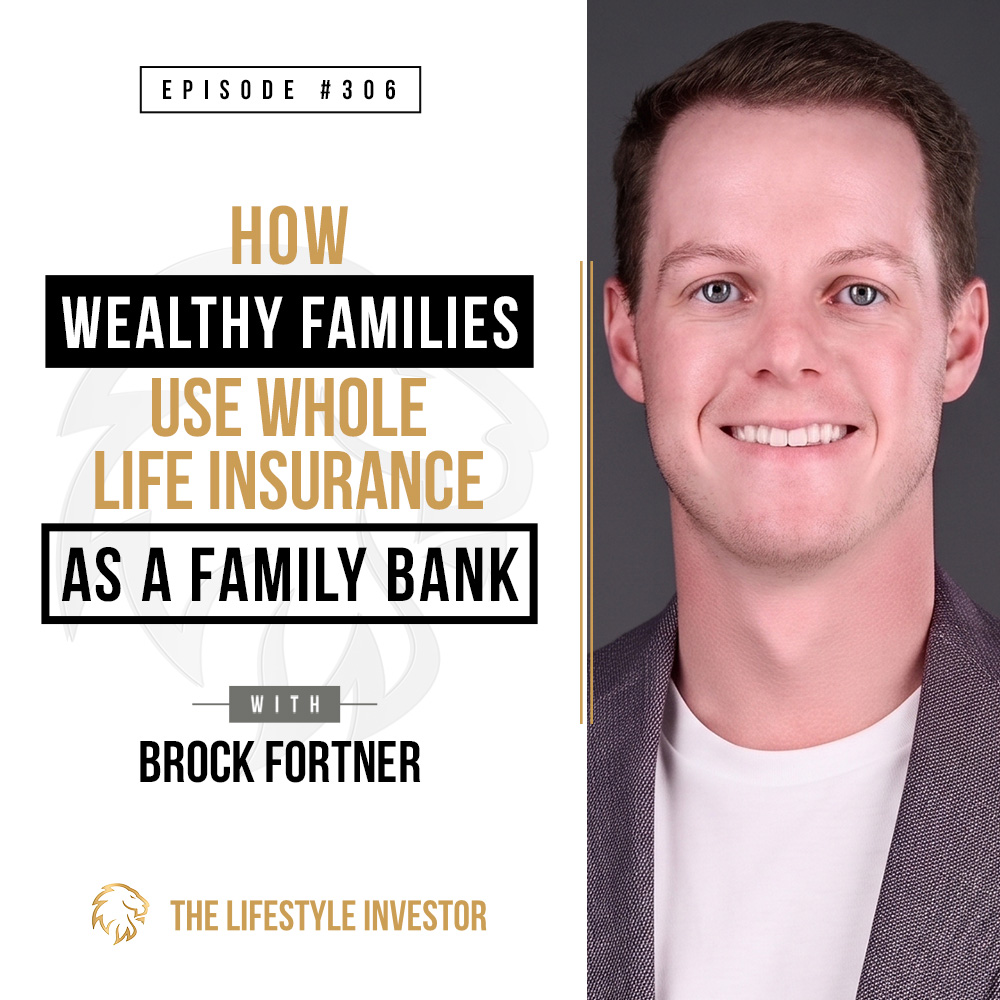
Interview with Nathan Thomas
Why Asking for Help Is a Superpower for Success with Nathan Thomas
One of the biggest stumbling blocks many entrepreneurs and high-achievers face is believing they can figure almost anything out on their own. Asking for help often feels like admitting weakness. But sometimes, the very thing standing between you and the next level of your life is your willingness to admit you don’t have all the answers.
Today’s guest, Nathan Thomas, knows firsthand how powerful that realization can be. After years of struggling with addiction and nearly destroying his life, Nate got sober, embraced humility working as a barista, and eventually worked his way up to become VP at Goldman Sachs.
But he soon realized that the corporate world wasn’t his calling and went on to become co-founder and CEO of Shmoody, a mental health and wellness platform that has reached millions of users. Fast forward to today, and he’s now in the final steps of releasing his first book, Ask for Help, using his own story to show people how they can change their lives by asking for help, both spiritually and practically.
In our conversation, Nate shares his remarkable journey from addiction and rock bottom to sobriety, entrepreneurship, and a life centered around serving others. We also discuss how those experiences reshaped his definition of success, the lessons he’s carried into building Shmoody, and why some of life’s greatest breakthroughs can come from being willing to admit you don’t have all the answers.
In this episode, you’ll learn:
✅ Why asking for help isn’t a sign of weakness and how putting your ego aside can unlock relationships, mentorship, and opportunities you couldn’t create alone.
✅ Why the best mentors, peer groups, and relationships often require you to step outside your comfort zone and ask people you admire for their help.
✅ Why taking action matters more than controlling the outcome and how reframing rejection can give you the courage to pursue bigger opportunities.
Featured on This Episode: Nathan Thomas
✅ What he does: Nathan Thomas is an entrepreneur, co-founder of Shmoody, and author of the upcoming book Ask for Help. After rebuilding his life through recovery and eventually working his way to Goldman Sachs, Nate co-founded Shmoody to create a more human and engaging approach to mental health and wellness. Today, the platform has reached millions of users and is expanding its work with colleges and universities.
💬 Words of wisdom: “Ask for help, scare yourself, challenge your ego, but then start helping. And then amazing things happen.” – Nathan Thomas
🔎 Where to find Nathan Thomas: Website | LinkedIn | Facebook | Instagram
Key Takeaways with Nathan Thomas
- From High Achiever to Rock Bottom
- When Tough Love Becomes Necessary
- The Moment That Changed Nate’s Life
- Why High Performers Struggle in Silence
- Turning Your Struggles Into a Mission
- Building a Company Around the People You Serve
- How Recovery Changed Nate’s Definition of Success
- Why Asking for Help Is So Difficult
- Mentors, Masterminds & Getting Out Of Your Comfort Zone
- How You Can Learn More From Nate
Inspiring Quotes
- “I really believe that because other people stepped up and helped me, that I have a duty to do the same for other people.” – Nathan Thomas
- “Me being able to be of service for others does this huge benefit for me. It actually gets me out of myself.” – Nathan Thomas
- “If I stay willing to try to have my ego reduced and take actions to ask other people for help, to move through fear, to deepen my spiritual connection, all of these things, then probably my life can grow in all sorts of other interesting ways.” – Nathan Thomas
- “The ego is the thing preventing folks, most people, from asking for help. And almost everybody can benefit from asking for help.” – Nathan Thomas
- “I also believe that if you have a mission, it attracts the right people.” – Nathan Thomas
- “Are you willing to get 10 nos, 20 nos, to get to a yes? Are you willing to realize that those nos are actually successes because you got a no out of the way?” – Nathan Thomas
- “I’m in the actions business. God is in the results business.” – Nathan Thomas
- “Maybe you should do all three: read, join peer groups, and get mentors. But if you have to pick one, my advice to people is pick the one that scares you the most. That’s where the growth is. That’s where the ego lives. The resistance is the compass. The fear is the compass.” – Nathan Thomas
Resources
- Shmoody
- Shmoody on LinkedIn | Facebook | Instagram
- Nathan Thomas on LinkedIn
- Hal Elrod
- The Miracle Morning: The Not-So-Obvious Secret Guaranteed to Transform Your Life (Before 8am) by Hal Elrod
- The Twelve Steps
- Ego Is the Enemy by Ryan Holiday
- Goldman Sachs
- whurley
- Henry Yoshida
- Strangeworks
- Juan in a Million
- Laura Malcolm
- Charles Thornburgh
- Civitas Learning
- Brett Hurt
- Draper Associates
- Freada Kapor Klein
- LiveOak
- Front Row Dads
- Tony Robbins
- Think and Grow Rich by Napoleon Hill
Want My Team’s Help?
- Tax Strategy Masterclass
Learn the 28 most effective tax strategies the wealthy use to save thousands.
lifestyleinvestor.com/tax
- Free Strategy Session
Get a personalized roadmap to financial freedom.
lifestyleinvestor.com/consultation
- Lifestyle Investor Newsletter
Join The Lifestyle Investor Insider for curated investing insights.
lifestyleinvestor.com/insider
Rate & Review The Lifestyle Investor Podcast
If you enjoyed today’s episode of The Lifestyle Investor, hit the subscribe button on Apple Podcasts, Spotify, Stitcher, Castbox, Google Podcasts, iHeart Radio, or wherever you listen, so future episodes are automatically downloaded directly to your device.
You can also help by providing an honest rating & review over on Apple Podcasts. Reviews go a long way in helping us build awareness so that we can impact even more people. THANK YOU!
Connect with Justin Donald
Get the Lifestyle Investor Book!
To get access to The Lifestyle Investor: The 10 Commandments of Cashflow Investing for Passive Income and Financial Freedom visit JustinDonald.com/book
Read the Full Transcript with Nathan Thomas
Justin Donald: What's up, Nate? Good to have you on the show.
Nathan Thomas: Justin, good to be here. Great to see you. How are you doing?
Justin Donald: Yeah. This is fun. I'm doing great. So happy to be able to hang with you here for a bit, be able to share your story. You've got an incredible story. You're doing some great work in the world, and I want to uncover it all. But we were just talking a second ago about my good buddy, Hal Elrod, someone that you have gotten to know and look up to and appreciate, and I think has been a nice resource for you. Author of The Miracle Morning, just an amazing guy. And he's been helping you with your book that's coming out.
Nathan Thomas: That's right. Yeah. No, Hal is an amazing, amazing guy, and he's written several amazing books, but his big breakthrough was The Miracle Morning, which I've now read and actually apply daily in my life. But he's a person that it's not just that the book is great, but he's a great human being as well. And I talked to you about this before when we chatted, but the fact that I've written this book, Ask for Help, that's about the power of asking people for help, I kind of have license to go up to people like Hal that I respect and say, "Hey, by the way, I've written a book called Ask for Help, so now it's time for me to ask you for help." Some people can, of course, say no, but Hal was very generous.
Justin Donald: Oh, I believe it.
Nathan Thomas: He knew a little bit about my story, and now he's been kind of a mentor.
Justin Donald: Well, he reached out to me right when you guys met. He's like, "Do you know this guy, Nate Thomas?" And I was like, "Yes, I know Nate. He's awesome."
Nathan Thomas: That's right.
Justin Donald: “Spend some time with him. He's a great guy.”
Nathan Thomas: Hal is just an amazing human being, man. He really is. He's got a heart of gold, and he walks the walk. And not everybody who writes a book about sort of how to live your vision, how to live true to your intentions, always walks the walk, but he does.
Justin Donald: That’s right. Well, let's talk about your story because you went to college. It was a different experience than I think a lot of people have. I mean, unfortunately, I think a lot of people have a similar experience, but you kind of hit rock bottom, right? You were partying. You were drinking. You were doing drugs. You were doing all kinds of stuff. You literally got to the point of, like, bottom of the barrel, right? And I'd love for you to share some of that, and we'll talk more about how you pivoted and how you kind of reinvented yourself and how you kind of pulled yourself out to start Shmoody, which has taken off, but your story's intense.
Nathan Thomas: Yeah. No, it is. It's a wild story, and I talk about it now very openly, even if some people think it's in poor taste. Well, so be it. There's a lot of people that need to hear it, because they're struggling in their own way, or, as we'll talk about later, I think many of the principles that have come out of my own recovery actually can help people that are dealing with totally different problems. But for me, it was a story of growing up well-adjusted with a good family life. Nothing that would immediately point to that I'd have any problems. I was a real high-achieving kid, always kind of doing the best in my class in my academics. Real talented, fairly talented athlete, but this was Vermont, where, when I was the captain of the varsity basketball team in Division II Vermont High School, it's not exactly the best in the country. But I was a good athlete and had a lot going for me.
And when I came out of high school, I could kind of go wherever I wanted in terms of college. I just had all the doors open to me, and I went off and sort of proceeded to squander it all. It didn't happen overnight. It was a slow progression, and what that looked like for me was drinking, using drugs. Those drugs got harder and harder over the years. I was in a lot of denial that there was a problem because, for me, it was very much I was making a conscious choice to have fun. You know, I had a moment when I was a teenager where I was getting great grades, and I was the valedictorian, and I was kind of like, "Is this all there is?" And I looked up to these counterculture-type figures, and I made some conscious choices that I wanted to be a little wild and rebel, and I don't think there's anything wrong with that per se.
I still like to rebel in certain ways. Now, they're healthier ways, right? But for certain people, there are certain people that are wired a little differently. And I was one of those without knowing it. And so, over the years, I didn't bottom out right in college. I started on a kind of dangerous track, but I was in denial for many years, and it wasn't until my 30s where things really... I actually got through law school in the height of my addiction, and by that point it had gone from sort of I drink a lot of beers, and I smoke a little this or that to hard drugs, full-on junkie behavior, hard, hard alcoholic drinking. And at the time, my joke in law school, which wasn't really that funny, but it was that my accomplishments were that I didn't fail out, and I didn't die.
Justin Donald: Oh, my goodness.
Nathan Thomas: It was very dark. And the nature of addiction in my experience, and I still spend a lot of time in that world because it's where I can be very helpful to others, because I found a way out, and sadly there are many people…
Justin Donald: Few people do, unfortunately.
Nathan Thomas: And I really believe that because other people stepped up and helped me, that I have a duty to do the same for other people. And this is something we can dig into more later, perhaps, for me, in this interesting way, me being able to be of service for others does this huge benefit for me. It actually gets me out of myself. It makes me feel good about myself because gosh darn it, I'm helping somebody else. There's this spiritual juice that I get by being of service to others. But all I knew 13 years ago was that my life had hit this absolute bottom where everybody who cared about me was basically pushing me out of their life.
Justin Donald: Wow. And this is from 17 to 30, basically.
Nathan Thomas: Yeah, that's right.
Justin Donald: Wow.
Nathan Thomas: And it'd gotten really, really dark, and at one point I was able to, things got so bad that I did ask for help to go to a rehab, and I was lucky enough that I had parents who could help me, and I had some insurance that helped me do that. And I got out of rehab, and things started to go back down. And I remember calling my father and being like, "You know, I got kicked out of this sober living facility, and maybe you can... Can you help me?" He'd basically just had it, and he said, "There's probably beds down at the Salvation Army. If you need a place to stay, they might let you stay there." And that was infuriating at the time.
Justin Donald: I'm sure it was.
Nathan Thomas: And now I look back and I have a wonderful relationship with my father, and I love him, and he's a very loving guy, but he had just hit that point where it had to be tough love.
Justin Donald: Well, yeah, it's what he felt like he needed to do for you to get the wake-up call, right?
Nathan Thomas: Yeah. That's right. And then it still didn't happen just yet, but it finally got to the point- the last person, not surprisingly, as for many people, who's the last person who would take pity on you, it was my mother. And she tried to sort of help me along. And then I had an experience where I had pulled her into this terrible situation where I was trying to live at her place, and I had sworn that would never happen. I had sworn I would never hurt her in that way. And so, something inside of me... And I'd actually been exposed to recovery because I'd been to rehab. And I'd been exposed to this different way of living, 12 steps, being of service to others, trying to find a connection to a higher power, but I was just so skeptical because, Justin, my thing is like my default setting is to think I'm too smart for all of this. I've got it figured out. I'm brighter than the next guy. I'll get this. But the results were just…
Justin Donald: There's an ego. There's an ego in there.
Nathan Thomas: 100%. And that's why I wasn't willing to have a spiritual experience because I was too smart for that.
Justin Donald: That's right.
Nathan Thomas: Right? I was too smart for all that. And somebody explained at a certain point to me. They said, "Yeah, but look at the results you're getting, Nate." All these people in this 12-step meeting or whatever, they're living happy, useful lives, are getting different results, and you're laughing at them for being fools for their beliefs, and yet you're waking up in the gutter. And so, I had a moment where I got so desperate. I was at my mother's house in West Hartford, Connecticut, and I got so desperate, I did this thing that had been suggested to me through the recovery world, that I had been unwilling to do, which was this idea of prayer. And I got on my knees, and I prayed to a God that I did not believe in to help me.
And that was February 12th, 2013. I haven't had a drink or used a drug since that day. Something changed. I didn't have a white light experience, but I could feel something shift. And over the coming days and weeks, I said, "This feels different."
Justin Donald: It's supernatural.
Nathan Thomas: And this obsession that I'd had faded away. And so, I was like, "I better stay very close to this." So, I stayed very close to that world, and then my whole life opened up. Because suddenly I had these tools, and I had these people that I could lean on, and I had a relationship with something greater than myself, which can be different things for different people. But for me, it became a relationship with God.
Justin Donald: Yeah. That's powerful.
Nathan Thomas: Very, very powerful. It changed my life.
Justin Donald: Well, and it's amazing to think, like, on your own, you were not able to give this up. But the moment you broke down and just gave it all up to God, it was taken away.
Nathan Thomas: Yes. That's exactly right. And the literature around the 12 steps says that will happen, but of course, I was like, "Yeah, yeah, yeah. No, no, no. That's not going to happen."
Justin Donald: You know more.
Nathan Thomas: Yeah, I know more. And I'll do 90% of the stuff, but not that part.
Justin Donald: Wow.
Nathan Thomas: And then I once heard an old-timer once say at a meeting, he said, "Yeah, the spiritual part of the program is like the wet part of the ocean. It's the whole thing, man. That's the deal.” But my ego was too full of itself. So, thankfully, that changed everything, but then it set me on this course, too, where, A, I had to continue to find ways to be of service to other people, if for no other reason than selfishly. Like, I have to find ways. If I go try to help somebody stay sober, and there are some people right now I'm trying to help, and some of them are getting it, and some of them are not. But I'm staying sober because I'm doing my best, right? And then it also set me on a path where I started to realize if I live in this way where I'm willing to let go of my ego, because my ego will always grow back.
Justin Donald: Gotta be careful.
Nathan Thomas: It'll come in the side door and be like, "Look, I'm the most humble guy in the room."
Justin Donald: That's right. That's right.
Nathan Thomas: Whatever it is, right? I'm helping the most people, whatever it is. But if I stay willing to try to have my ego reduced and take actions to ask other people for help, to move through fear, to deepen my spiritual connection, all of these things, then probably my life can grow in all sorts of other interesting ways. And so, that's been the story for me, is like stay true to the fundamentals of what changed my life but then don't be afraid to go out there in the world and apply these same principles in other ways.
Justin Donald: So, where do you see young, high-performing individuals just kind of miss it when everything on the outside looks like it's going fine, but on the inside, they're self-destructing?
Nathan Thomas: Yeah. Well, I think it happens to, first of all, way more people than we want to admit, right? Way more people are living lives of quiet desperation than we know.
Justin Donald: Well, unfortunately, college culture, it almost gives you this ability to justify, "Well, everyone else is doing it. Well, it's not. There's nothing wrong with me. This is just what you do." Or "My friends are this," or, "I'm in control because I'm only doing this four nights a week instead of every night."
Nathan Thomas: Oh, it's very easy to rationalize your way into... And then you can just start to the classic, for people that have issues with alcohol and drugs, the classic thing is you just start hanging out with a lower and lower tier of person until you're like the most high-functioning guy in the crack house, which was me for a number of years. I was like, "I'm actually doing pretty good."
Justin Donald: Oh, my goodness.
Nathan Thomas: Literally in a crack house. But what I want to say, too, is that there are a lot of people who are struggling with other things. So, an important part of my message is to be very open about my struggles with drugs and alcohol, because there's many people struggling with that. And when they hear that someone else that they can relate to has been through it, they can relate. That's important. But there are people, you know, I also struggled with major anxiety. My business partner struggled with pretty serious depression. There are people that struggle with other things, and don't want to reach out, right? And so, my view is the ego is the enemy. I think Ryan Holiday might have written a book with that title, but regardless, it's a great phrase.
The ego is the thing preventing folks, most people, from asking for help. And almost everybody can benefit from asking for help. Whether they're struggling with depression, whether they're dealing with an alcohol problem, or frankly, even if they're a high-achieving person who just says, "Oh, I'm crushing it in my job. I'm a successful investor. I'm a successful finance guy. But my relationships might be a mess."
Justin Donald: Which we see that a lot in the world I'm living in.
Nathan Thomas: Yeah. You know, or my relationship with myself.
Justin Donald: They make a lot of money, but their relationships are awful.
Nathan Thomas: Yeah. And we all have stuff, and none of that should be a source of shame. We're all imperfect humans. We're all children of God, I like to say, but we're imperfect. And so, I think almost everybody can stand to gain from… I've been writing this book, Ask for Help, and I've been referring to the act of asking for help as a form of secular prayer, of saying it's willingness to humble yourself and say, "I need help with this." Even if it's just something simple, "I'm lonely, and I need help making friends," or "Hey, I'm making money, but I don't know how to invest," or whatever it might be, right? So, I think there's principles that apply to everybody because we all have human egos that block us in various ways.
Justin Donald: And it's interesting because your desire to serve showed up in a way that you built a company that does that. You help people that have anxiety. You help people that struggle with depression. You help people that there's mental illness. There's a lot of mental illness in the world. And your company, Shmoody, which you co-founded, has been a beacon of hope and an actual practical resource for so many.
Nathan Thomas: Yeah. Thanks. Yeah, millions of users, and we had no idea that would be the case. When we started, we wanted to build something that we would like and that we would use. The origin story is a pretty cool one. I was at a 12-step meeting in New York City. I was working at Goldman Sachs at the time, and that was a gift of recovery. Some people hear, "Oh, you were working at Goldman. That must have been when your hard drinking was going on." No. When I was drinking and doing drugs, I wasn't employable by anybody. So, that was a gift of recovery. I got sober. I actually worked at a coffee shop for the first five months learning how to be humble.
Justin Donald: A barista. All right.
Nathan Thomas: Yeah, I was a barista. I was a licensed attorney at the time, and that was so good for my humility, because every once in a while I would be like, some woman would be upset with her latte, and I'd want to be like, "Do you know who I am?" And then I'm like, wait a minute. I'm a guy that burnt his life to the ground. It doesn't matter that I have a law license. I'm working at this coffee shop. But then I kept taking next right actions, following suggestions, asking for help. I ended up getting a job at Goldman Sachs. I don't know how. I kind of stumbled into it. That's a whole other fun story. Worked my butt off, got promoted to VP, was kind of moving up that way. But I knew at that point, and nothing against the good people of Goldman Sachs. I love them. They taught me a lot. I learned some real amazing things from amazing folks over there. It's a class organization, but it wasn't my calling.
I knew my mission is to be of service to others. There are ways that I can help more than this. This is a good intermediate step for me. And so, I was at a 12-step meeting in New York City during peak COVID times, when you actually had to go to meetings out in the park if you wanted to go in person. And a guy came in to the meeting, and a bunch of us went to get food afterwards, as people often do, just to hang out and talk. And he was building this app for mental health, also for just for wellbeing as well, but he had dealt with serious depression. And he had a great therapist, but she said, "Hey, you can't just talk to me for 50 minutes a week. You need to do some stuff between sessions."
And he looked at other apps that would help him do that, and they all felt very clinical and boring, and like he would never use in a million years. Like, they were trying to teach him something about why he felt bad. And his line to me was, "You know, when I'm depressed, I don't want to learn a goddamn thing."
Justin Donald: He just want to get out of it.
Nathan Thomas: Exactly. So, he built something fun and engaging, and I saw it. It had jokes in it, and it was gamified, and it was beautiful, and it felt warm and human and inviting. And I was like, "This is totally different than anything that's there." And little did I know that a month or so later he would ask me formally to be his co-founder.
Justin Donald: That's awesome.
Nathan Thomas: And luckily…
Justin Donald: What a gift.
Nathan Thomas: It was such a gift.
Justin Donald: You can't ask for better timing. I mean, you see things like this, and you're like, "This has to be God-ordained because it's just too perfect."
Nathan Thomas: Yeah. It really is, and I do feel like I was showing up the best I could and leaving the rest up to God, to the universe, what have you, and amazing things started happening. I had also, because my practice had become to ask for help, I'd found a mentor out here in Austin, Texas, because I was looking to potentially move to Austin. And I found a very successful tech entrepreneur. He goes by the name of whurley.
Justin Donald: Yep, I've met him. I know him. We hung out. He was out in Wesley, yeah
Nathan Thomas: Yeah. He is a force of nature. And he'd briefly worked at Goldman when Goldman had acquired Honest Dollar, which was his fintech startup with Henry Yoshida.
Justin Donald: He's brilliant, yeah.
Nathan Thomas: He's totally brilliant.
Justin Donald: He's like a mad scientist entrepreneur.
Nathan Thomas: Oh, yeah. He's now building an amazing quantum computing company, Strangeworks, which is just phenomenal. And before that, his previous venture was acquired as well. But he was one of many people that I'd asked for help, but he was one of the few that really said, "I want in."
Justin Donald: He did. He said, "I will."
Nathan Thomas: And he followed through, and he changed my life. And he was saying... We had breakfast at Juan in a Million here in Austin one morning when I was visiting.
Justin Donald: Monster tacos.
Nathan Thomas: Yes, before I had moved here, and he said, "You know, Nate, I can help you get a new job transferring from Goldman to something in tech, but what you really need to do is found a company." And I said, "But, whurley, I wouldn't know what I was doing." He goes, “Nate, nobody knows what they're doing.”
Justin Donald: So true.
Nathan Thomas: He goes, "I don't know what I'm doing." And it was so powerful, because he's so successful. And I asked him to mentor me. He said he would be honored to, and that had already happened before this thing where I met the co-founder. So, all of these things in hindsight seemed like they were lining up. My only small part was just trying to stay humble and sort of ask for help along the way. So, I teamed up with Mike to build Shmoody. We had 100 people download it, and then little did I know that nine months later we'd have 100,000. And then a million, and now we're going to be coming up on 2 million. But we've stayed true to the principle, which is build something we would want to use. We call that human-centered design.
Our lived experience is a part of it, and people can feel that human element in the technology. You'd be amazed how much technology is built in a way where the people building it lose sight of the experience of the user. That's very common. And then when you're in the wellness space or the mental health space, and we're really in both now, that's so important because it's why we were then approached by colleges, which is where we're growing now. Because they said, "We have a problem where we have these apps and tools, and nobody uses them."
Justin Donald: That's right.
Nathan Thomas: Right?
Justin Donald: So many students need it.
Nathan Thomas: Yeah. And they're not getting…
Justin Donald: Yeah.
Nathan Thomas: Because they're picking it up, and it just feels clinical and boring, like it was slapped together by some people in a room somewhere. And they're like, "I will never use this in a million years." But we have 4.8 stars on the App Store, and it's just a very beautiful, powerful experience.
Justin Donald: Was it different getting a product that was, I mean, you could have the product built by someone who's a tech genius. You could get a product that's built by someone in the clinical space or a doctor. Or you could get the app or the product that is built by someone that actually went through the same thing you're going through. Big difference.
Nathan Thomas: Big difference. Big difference. And of course, in a growing company, we have to be smart and hire the best engineers, which we do, but they're bought into the mission. It's not like every single one has dealt with their own mental health issue or their own wellness crisis. But we hire for people that are elite but also believe in the mission, and that's really great because it limits people. We actually want to be saying no to a lot of people. Like, "This person's not the right fit." And we recently added a team member, just at the beginning of this year, Laura Malcolm, who is… You know Charles Thornburgh. She was his co-founder at Civitas. And Laura is an amazing product designer. And she has a lot of options who she can work with.
She came to choose to work with us because of the mission. And she's taken our product design, especially as it relates to our product for colleges, because we've expanded it now. We're a full platform, not just an app, based on her deep knowledge, but because she believes in the mission. So, I also believe that if you have a mission, it attracts the right people.
Justin Donald: Yes, it does. And you need to be outspoken about it. It needs to be public-facing. You need to be able to rattle it off, like what you are, elevator pitch, wherever you are.
Nathan Thomas: 100%. And then people hear the mess… And it doesn't even have to resonate with everybody. It has to resonate with the people that need your product, people that want to work for your company, the people who want to invest in you.
Justin Donald: That's right.
Nathan Thomas: And that's all that matters, and nobody else does. So, be authentic and be clear about what you stand for. I've also learned that even deeper, through Brett Hurt, who's just an amazing human being, who's become a mentor, another person who's helped along this journey. And if there's one thing I've learned from him, it's like be authentic to who you are. So, it's been a wild ride, but we really try to stay true. As we grow, you have to learn new things, so you have to ask for help, right? How am I going to automatically be an expert on every aspect of how you scale an enterprise SaaS team for sales or something like that? I'm not. I'm going to have to ask for help.
Justin Donald: That's right.
Nathan Thomas: Right? And so, those principles, and then as long as we remember who are we really serving. We're serving students. We're serving individuals who need our help and stay true to that.
Justin Donald: So, when did Charles Thornburgh join the team or invest? So, for those that don't know him, he's a good friend of both of ours. I met him a number of years ago. We actually lived in the same neighborhood. And he's a prolific ed tech investor. And actually, his story's really cool because he's had a number of exits over the years, has done very well, and decided to take a trip around the world for two years with his family, just lived everywhere.
Nathan Thomas: Charles is amazing. I'm going to be talking to him tomorrow. So, he's an advisor for us, so he's an equity holder in Shmoody. He's not an investor. Currently, he's an advisor, which is an even way more exciting role. Listen, I love our investors, and we have amazing world-class investors. Draper Associates, Freada Kapor Klein just joined, LiveOak Venture Partners here in Austin are big.
Justin Donald: Big local guys. Yeah.
Nathan Thomas: And some angel investors who are just the best of the best. But an advisor is somebody that I get to sit down with every week and pick his brain, and he sees in me all the potential to achieve the things that he's achieved or that she's achieved in the case of our female advisors. But they have that deeper experience. So, it's like a formalized way to get to ask for help every week, where I get to go in and say like, "Tell me about X, because we need to solve this." And the best advisors are like Charles. They dig in with you, and they help you solve problems, and they help come up with solutions, and they take a sense of ownership. And they do have an ownership, literally speaking.
Charles took his family for a year and world-schooled them. He has two boys. And he took this idea of loving to travel, and he said, "How can we as a family go and travel, not just to Europe, but to Africa, to Asia, to just everywhere?" He was just starting that trip when he was in the US leg, the early warm-up phase when we started working together as advisor. And I was checking in with him in all these different cities.
Justin Donald: Oh, that's so cool.
Nathan Thomas: He's amazing. Yeah.
Justin Donald: Well, I love hearing that, and I've been an advisor to a number of companies over the years, and I probably bit off more than I could chew saying yes too many times. So, I had to scale my roll back. And so, for me, when I look at it today, it's like it's got to be the right fit. It's got... You know, I need to be able to offer massive value. Ideally, I need to be able to do it in a shorter, confined timeframe. And it's hopefully with companies that aren't going to have all kinds of crazy needs all the time. And so, I know Charles is very strategic about who he's going to advise, so I think it's a big deal that you joined.
Nathan Thomas: No, it is a big deal, and it's an honor, and we're proud, and we have a couple other advisors we're proud of, as well. Because, yeah, what you're saying makes a lot of sense, Justin, because you're somebody that would obviously be very in demand as an advisor. But that relationship isn't going to be ideal if you're stretched too thin, right? So, it sounds like you've been smart about it and intentional in scaling it back. And I know Charles has done the same, so I felt all the more honored when he said, "Yeah, I want to build with you. I want to get involved with this."
Justin Donald: I love it.
Nathan Thomas: And it's great.
Justin Donald: I'm just so curious how you could go from the depths of despair to starting a company that has just taken off. Like, that to me is just so mind-boggling, because I've known a lot of people that have struggled with addiction. I know people in my family, very close family members, that have struggled with addiction. Some never were able to turn around. I'm very careful not sharing names because not everyone wants to know this stuff. But someone super close to me turned it around, started his own company, is doing great, and it's awesome. Started his company a couple of years ago. And it's taken off. But I feel like that's a really small percentage of people that can do that or that choose to do it.
Nathan Thomas: It is, but… No, and I really appreciate that. That's a compliment, and I appreciate it. And I'm proud of our success, but I have to say that for folks that really commit to the recovery process, and I don't want to go too heavy on the higher power and God piece, because it's not everyone's cup of tea, although I know we can talk about that stuff.
Justin Donald: We can.
Nathan Thomas: But for folks that really turn their life over to God, and for some people, it’s different understanding, it's higher power, what have you. But they get over themselves, they get beyond their ego, they try to be of service in the world. I think most people achieve great things. There are just different standards by which that achieve. For some of that, it's like they want to become the world's best version of a dad in the job that they have in the town that they grew up in, and that's amazing, especially when that person was previously a fall-down drunk who couldn't show up for his kids.
Justin Donald: That's right.
Nathan Thomas: You know what I mean?
Justin Donald: Yep.
Nathan Thomas: And I do believe that alcoholics and addicts tend to be wired a little differently, where once you point them on the right track, they're pretty energetic. We're a pretty energetic lot, right? So, I'm a little wild. And so, you point me in the right direction, I start doing interesting things, right? I just got to keep being pointed in the right direction.
Justin Donald: That's right.
Nathan Thomas: So, to me, and then it's also about early on, I did not get out... I mean, I got out of rehab, and I relapsed. But even once I surrendered and I had that experience I described before, it wasn't overnight. I had to be willing to go work at Starbucks for five months and let things unfold. But for me, I'm just the kind of person where I'm really energetic. I want to get out there in the world and do things that can help people, so this has been the path that's worked for me. But I don't think it's any better path than that guy who was a fall-down drunk and now is showing up for his family or what have you.
Justin Donald: Fair enough.
Nathan Thomas: But yeah.
Justin Donald: We need more people. You know, I'm in Front Row Dads, which I love. Actually, I mean, to me, like one of the most important groups out there, and it's all about showing up the best you can for your family. So, I agree with you. I think it's amazing.
Nathan Thomas: And that's been one of the biggest things for me, right? I'm very proud of the fact that, to be a successful entrepreneur, I'm going to have this book coming out soon. I have all these new amazing friends, like people like you, and people that 15 years ago I would've been like, "What the heck?" But what I'm most proud of, and I mean this, like from the depths of my heart, is that I can show up for the people in my life that I love. I did not used to be able to do that. I meant to. I was a good guy. In my heart, I wasn't a bad guy. I had all the intentions, and I failed to show up again and again. And I could give you stories, some of them heartbreaking, some of them just lame, like, "What were you doing, man?”
All I can do is what we call living amends, which is to not live that way and show up. So, I can show up for my mother, I can show up for my father, I can show up for my girlfriend, I can show up for my nieces and my brother, and the people in my life that I love and that I choose to be around. And that's an amazing thing. But then the cool thing is, if you're the kind of person that wants to build things and do things, you can do that, too. So that's the journey that I'm on, too, and it's both at the same time, and that's life, and that's great. I can show up for the people in my life, and I can also go do big, exciting things.
Justin Donald: I'm glad you found your calling. I'm glad you're writing your book. And when I think about your book, Ask for Help, there are a lot of people out there. I would even venture to say the majority of people out there that would rather die or suffer. To ask for help is one of the toughest things for people to do, right? It's like you have to have your ego in check. It feels much better if you can be self-reliant for some reason.
Nathan Thomas: Oh yeah, self-reliance.
Justin Donald: Right? So, what is it that you think can help people become able to ask when there's such an aversion to it?
Nathan Thomas: Well, there's good news and bad news. The bad news is it usually requires some degree of pain. Most people will not change unless there's some degree of pain. That's the bad news. The good news is asking for help is available to everyone. And if the pain of ego death, of a little moment of humility, of asking somebody that scares you a little bit to ask you for help, knowing they might say no, and God forbid maybe they do. If that pain is just a little bit less than the pain of your current circumstances, whatever you might be failing at, relationships, health, money, sobriety, whatever it is, then maybe you're willing to make a change. And my message is, obviously, I talk to people who struggle with drugs and alcohol a lot. I talk to people who struggle with mental health stuff a lot, but there are so many other people living these lives of quiet desperation that are struggling with whatever.
And if somebody can get to that point where they say, "You know what? If I'm being honest with myself, I wish I was better in my relationships," or, "If I'm being honest with myself,” for me it was, "Oh wow, I now work at Goldman Sachs and I used to be a fall down drunk and a drug addict. That's cool, but I actually want to do something more than that. Can I find somebody or some people, multiple people, it's always better to have a board of directors in any area of your life.
Justin Donald: That's right.
Nathan Thomas: Masterminds, you and I have talked about the power of masterminds.
Justin Donald: That's right.
Nathan Thomas: If you can find a group of people or even one person, ideally somebody that scares you a little bit, right, because you look up to them. You think this, "Oh man, I want this person to think highly," and ask that person for help like I did with whurley or like I did with Hal. Or I could name others, like I did with Charles. It can be so transformative. So, in my book, I'm telling it from a very personal perspective. A lot of it's my story, so people can realize, "This guy's not all that special. Like, hopefully he writes halfway clearly.” But I'm not even trying to be fancy with the writing. It's about being clear and telling my story. And I used to be a mess. And then look what happened when I asked for help.
And there was a spiritual component to it, yes, but there was a practical component to it, too, which was just finding people who were doing the things in my life. Like Tony Robbins says, "Success leaves clues."
Justin Donald: That's right.
Nathan Thomas: Right?
Justin Donald: Yeah.
Nathan Thomas: So, find the people who've done the thing you want to do, ask them, and some of those people might say no, and that's fine.
Justin Donald: Be prepared for it.
Nathan Thomas: Yeah.
Justin Donald: It's totally fine.
Nathan Thomas: Yeah, I mean, you know this.
Justin Donald: You just have to be willing to do it again and again and again.
Nathan Thomas: Are you willing to get 10 nos, 20 nos, to get to a yes? Are you willing to realize that those nos are actually successes because you got a no out of the way?
Justin Donald: That's right. Every time you become more and more numb to no. You take it less and less personally. It becomes easier.
Nathan Thomas: That's right. And if I can only control my actions, not the outcomes, right? I'm in the actions business. God is in the results business.
Justin Donald: Yep.
Nathan Thomas: Every action I take is a success regardless of the outcome.
Justin Donald: Yeah.
Nathan Thomas: Right? So, if I take 20 actions and they all fail, I've had 20 successes because I took 20 actions.
Justin Donald: That's awesome.
Nathan Thomas: Right?
Justin Donald: I love that mindset.
Nathan Thomas: So, it's a mindset shift.
Justin Donald: Total mindset there.
Nathan Thomas: Yeah.
Justin Donald: That's brilliant.
Nathan Thomas: But I, on my own, I wouldn't have come to that. That's by reading, that's by talking to people like you, that's by asking other people for guidance to get me to that. Because on my own, I don't believe that. My own self, on my own, is scared and selfish and thinks I better play it small. Because it's safer to get base hits in the minor leagues than to maybe get to the World Series and strike out on national television.
Justin Donald: That's right.
Nathan Thomas: So, that was my old default. So, now I'm like, "Let's get on national TV and strike out a little bit," or whatever. You know, like get out there.
Justin Donald: I love it. Well, and reading's been a big part of your life. I remember we were talking about Think and Grow Rich, which we both think is one of the greatest books ever written.
Nathan Thomas: Oh, my gosh. As far as I know, it introduced the idea of the masterminds, which, I mean, obviously you have a spectacular, well, you're in multiple masterminds, and you have a mastermind that's legendary. Shout out to Mike [Mich 34:58], who's going to hear this at some point, and he's part of it. And I hope to be soon.
Justin Donald: I can't wait, and just shout out to Mike, as you said. I love how hungry and eager he is. Mike would've never learned about us had you not gotten out of your comfort zone to ask me if I'd be willing to chat and spend some time with you. And I grew to like you and, actually, it was right out of the gates. I was like, "This guy's fun," you know?
Nathan Thomas: It usually takes people a few times before they really... But yeah.
Justin Donald: But it's cool because the byproduct of that was Mike learning about us, Mike getting involved in the Tribe of Investors mastermind, and really getting a chance to meet all kinds of awesome people, and he said it's been a game-changer for him.
Nathan Thomas: No, it has. And him and I talk every other week. We have a two-person mastermind, which all you need. This comes from the world of recovery. All you need for a meeting is two people talking about things. We used to have a third. He might rejoin at some point. So, multiple masterminds across multiple levels. Obviously, you're operating this just world-class type of mastermind, and it's changed things so much for Mike. But we're checking in every two weeks, and we're both on our own journeys, but supporting each other as we grow with a spiritual foundation. But how do we get out there and do big things, do things that scare us, that help us learn, and then, of course, be of service to others? But to your point about Think and Grow Rich, what a great book.
Justin Donald: Awesome. And what a kind move for you to find the original copy, or one of the original copies, to give to me so I could go through it with my daughter. Super class act.
Nathan Thomas: I'm really glad I was able to get that to you. The quick story on that: I'm glad you remember that, but I was going through the book with my girlfriend, Ash, and we were co-reading it with different copies. And one morning I couldn't find mine, so I grabbed her copy, and it was a chapter I'd read before, but I was like, "Wait a minute. I have never read this bit." And it was one of the more woo-woo parts because that book gets a little out there at some parts, right?
Justin Donald: It does.
Nathan Thomas: And I was like, "This…”
Justin Donald: And especially this copy.
Nathan Thomas: And I actually have come to love that stuff, though, because for me, if my ego resists it and says, "That's too stupid for my analytical mind," that's a sign for me. You know what? Maybe, Nate, you don't know everything. I used to resist prayer, and it changed my life.
Justin Donald: That's right.
Nathan Thomas: That's right. So, I was like, "This is actually really cool. He's writing about these energies that float around and that we can access." So, I did some research, and I realized she had the original unabridged version. And I said, "I need to get that for myself." I was like, "I better get that to Justin."
Justin Donald: Oh, that's so cool. Well, I really appreciate it. It's a really nice touch. It's been a meaningful part of our friendship. I think it's great that you go out of your way to give and to serve and to add value to those that are adding value to you. I think that's awesome.
Nathan Thomas: Yeah. Well, thank you. I've now wrapped up the first manuscript of the Ask for Help book, and I'm going to be publishing it soon, but in the final chapter, the final couple of chapters, I'm talking about how if I'm successful in this book, it's really a book about helping others disguised as a book about asking for help. They're linked. When you're struggling, that's when you do need to just raise your hand and say, "Please help me." But then, as you just get a little bit ahead, I learned this when I was early in sobriety, and I had a few days sober, and somebody told me, they said, "You can be of service right now to the guy with one day." And it was mind-blowing to me that I could.
Because I felt so crappy about myself. And to be able to be useful to someone. So, the two go hand-in-hand. Ask for help, scare yourself, challenge your ego, but then start helping. And then amazing things happen. It's like you're pouring gasoline on a fire at that point.
Justin Donald: Oh, that's awesome. Well, you've mentioned so many things that I think are just incredibly important, impactful things for me that have been total game-changers. Mentors, mentorship for me has been crucial. Peer group, being around other people wanting to play the game of business and life and health and wealth at a higher level and challenging you to be a better person, right? Reading from people that have learned a lot, that have more years in life or have more reps or have more wisdom to give. So, those three things, to me, have just been total game-changer. Where I would be if I didn't have those three categories, where I was intentionally pursuing growth through reading, relationships, and mentorship, I don't even know where I'd be.
Nathan Thomas: Yep. No, we couldn't agree more. I mean, we are on the same page about that, and you've even deepened my understanding of that with a lot of... You know, I've read your book, which is amazing.
Justin Donald: Thank you.
Nathan Thomas: I've listened to a lot of your content. And when you find someone that's on that same wavelength, it's amazing, but then when they add new, deeper insights to it, you know. And my only piece about those three areas that you just mentioned if there's somebody out there who's struggling, maybe they're not struggling with an alcohol problem. Maybe they are, but maybe they're not struggling with mental health. Maybe they just have an area of their life that's not going so great. Well, maybe you should do all three: read, join peer groups, and get mentors. But if you have to pick one, my advice to people is pick the one that scares you the most. That's where the growth is. That's where the ego lives. The resistance is the compass. The fear is the compass.
Justin Donald: That's good.
Nathan Thomas: And so, mentors to me were the scariest, right? Because what if I go up to whurley or Charles Thornburgh or whoever it may be, and ask, that's like asking somebody, asking a girl to prom. Like, what if they say no? And some people do say no, and that's fine, but, to me, I read every day. Reading is so important, but I have to remember: don't just read.
Justin Donald: That's right.
Nathan Thomas: Get out there and do things that scare you a little bit.
Justin Donald: Get out of your comfort zone.
Nathan Thomas: And ask for those relationships, ask for help when it doesn't feel so comfortable.
Justin Donald: That's so good. Nate, where can people learn more about you, Shmoody, and your book, Ask For Help?
Nathan Thomas: Yeah. So, they can feel free to reach out to me. I'm easy to find. It's nate@shmoodyapp.com. Shmoody is S-H-M-O-O-D-Y. It's not the Yiddish pronunciation, not the Yiddish spelling with a C in there, just an S-H. So, nate@shmoodyapp.com. I'm on LinkedIn. I stay off of other social media for my own reasons. We do have a company one, but that's not the way to reach me. I prefer to be off socials except for LinkedIn. So, Nate Thomas on LinkedIn. You can learn more about Shmoody at Shmoody.com. And then Ask For Help is not published yet, but people should have an eye out because I'm hoping later this year that it will be out. I'm currently working with a number of people to get this manuscript into shape and have it out there. So, this is kind of the first the world's hearing about it but stay tuned.
Justin Donald: I love it. Well, this has been an awesome session. I really enjoy you making the trip out here and just sharing your life, your experiences, and being so vulnerable and real and raw. I know we're going to have people tuning in that this is going to have a profound impact that it gives them the courage to make a move.
Nathan Thomas: Yeah. I hope so. And thank you, Justin, for inviting me. Thank you for your time. It's really a pleasure, and thanks for all you do.
Justin Donald: Oh, thank you.
Nathan Thomas: Appreciate it.
Justin Donald: Well, I love ending every episode with a question for our audience. Question is the same every week, but what's one step you can take today to move towards financial freedom, move towards living a life that you desire on your terms, not a life by default, like most, but a life by design? And what's something you can take from Nate today that can help you move in that direction? Thanks. And we'll catch you next week.
Sign up to receive email updates
Enter your name and email address below and I'll send you periodic updates about the podcast.
Keep Learning

What Two 9-Figure Exits Taught a Serial Entrepreneur About Investing with Ben Rubenstein – EP 308

Why Asking for Help Is a Superpower for Success with Nathan Thomas – EP 307