
![Logo 1 Gold horiz [Converted]](https://lifestyleinvestor.com/wp-content/uploads/2019/08/Logo-1-Gold-horiz-Converted.png "Logo 1 Gold horiz [Converted]")
As an investor in alternative markets, I’ve learned that real wealth comes from identifying major cultural and economic shifts before they go mainstream. In today’s economy, the biggest shift is the multi-trillion-dollar wealth transfer to millennials and Gen Z.
If you want to invest successfully in this era, you need to understand what these generations value. Their priorities are longevity, health, and operational authenticity over superficial corporate messaging. This is exactly why the “refillable economy” is a permanent shift in consumer behavior, not a temporary trend.
The statistics back this up: about 60% of millennials and Generation Z are willing to pay more for sustainable products, and around 80% believe businesses must do more to facilitate eco-friendly purchasing.
This evolution has been perfectly highlighted by Shadi Bakour, the brilliant co-founder and CEO of PATH. By challenging the $350 billion global beverage industry, Shadi has built the fastest-growing beverage brand in the United States. Combined with his deep-rooted, purpose-driven mission, his journey is a masterclass in combining elite financial acumen.
The CVS Parking Lot “Lightbulb Moment”
Shadi’s background is a unique combination of finance, strategy, and grit. Born to immigrant parents, his first professional drive was to provide financial stability for his family. After studying finance and economics, he worked in private equity before transitioning into corporate consulting.
True innovation, however, can sometimes be stifled in elite corporate environments. His decision to leave the traditional corporate ladder behind to build something entirely his own was a pivotal one when he found the consulting world rigid and uninspiring.
The idea for PATH didn’t come from a corporate boardroom; it happened in a CVS parking lot in Northern California. In the back of a pickup truck, Shadi and his co-founders brainstormed disruptive business models. Looking down the bottled water aisle, they noticed a glaring flaw in the industry’s innovation strategy.
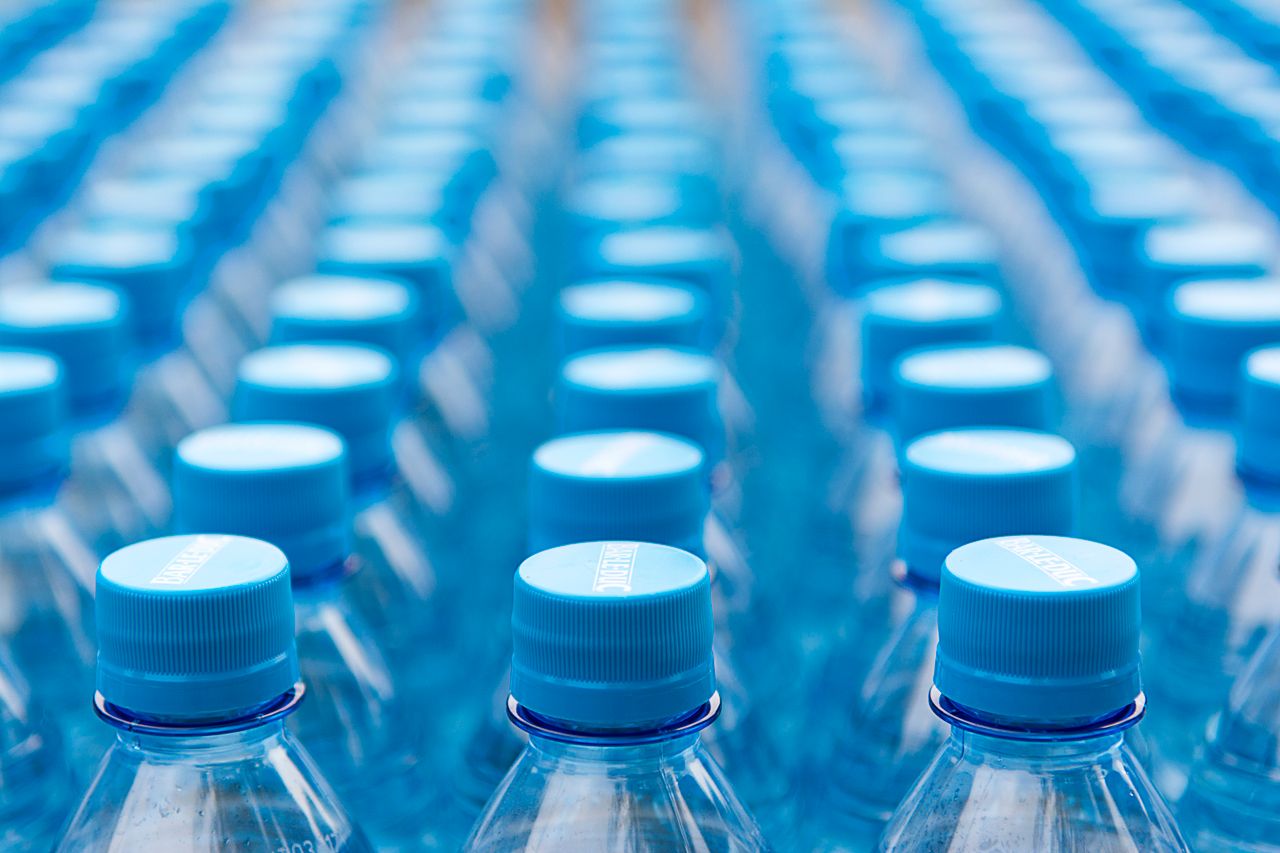
For decades, beverage companies have marketed and developed their products based on their liquids, putting a lot of emphasis on pH levels, electrolyte infusions, and unique purification processes. At the same time, the packaging itself remained static: cheap, single-use plastic, designed to be thrown away immediately after use.
Shadi and his team asked a fundamental, contrarian question: Why not innovate the container itself?
As a result of that lightbulb moment, PATH was born: the first 100% refillable, recyclable, and reusable aluminum bottled water produced directly in the United States. Designed to be as convenient as a regular water bottle and as durable as a premium reusable flask, this affordable hybrid product fundamentally transforms how consumers think about hydration.
The Health Hazard of Single-Use Plastics
The initial catalyst for PATH was environmental sustainability, but the issue of single-use plastics has quickly evolved into a public health crisis. More and more consumers are concerned about what plastic does to their own bodies, not just landfills and ocean waste.
In recent medical and environmental studies, microplastics, nanoplastics, and harmful chemicals are routinely leached into liquids that are stored in single-use plastic bottles. Chemicals known as per- and polyfluoroalkyl substances (PFAS), along with heavy metals such as antimony, are consistently detected in plastic-bottled water. In recent headlines, hundreds of thousands of microplastic particles have been found in one liter of bottled water, with synthetic particles now being found in human organs, vascular systems, and even embryos.
It’s made worse by the low standard of municipal tap water and basic commercial purification. While some regions have high-quality municipal water, others have heavily treated, bad-tasting water. Because of this, there’s a multibillion-dollar market for bottled water, but using single-use plastic to meet that demand is bad for human health.
This dilemma is directly resolved by PATH. With aluminum, water quality is preserved without chemical degradation due to its clean, sturdy, and non-leaching barrier. As a result, it allows health-conscious consumers to stay hydrated without absorbing toxic particles.
Scaling a Purpose-Led Organization
Developing a disruptive concept into a consumer packaged goods (CPG) powerhouse is extremely challenging. The beverage sector is notoriously cutthroat, characterized by intense competition, complex distribution logistics, and thin margins. Rather than competing on price, Shadi used an intangible asset: a deeply integrated purpose.
An authentic, mission-driven foundation offers a massive competitive advantage. In addition to financial profitability and rewarding stakeholders, social responsibility introduces an entirely new dynamic to a company. As a result, it helps companies retain employees, minimize turnover, and build partnerships and customer loyalty.
Across the United States, PATH has more than 75,000 retail locations. To maximize their impact, they entered high-volume commercial spaces notorious for high plastic waste production: hotels and resorts. With the help of leading hospitality brands such as 1 Hotels, Four Seasons, Hyatt, and Marriott, PATH replaces millions of single-use bottles at the source. With a target of removing more than 10 billion plastic bottles in the next few years, the company has already removed over 500 million plastic bottles from oceans and landfills.
In addition to its core operations, Shadi is focused on social impact through PATH’s retail footprint. They frequently launch cause-based packaging activations, such as autism awareness and Made in USA custom bottles. By taking this approach, a standard retail item is transformed into a visible, educational medium that resonates deeply with modern consumers.
Taking the Long-Term View
It takes a great deal of patience to build an enterprise that can genuinely reshape a global market. As a result of social media, modern business culture often romanticizes overnight success, immediate exits, and inflated valuations.
Shadi’s approach provides a refreshing antidote to this short-term outlook. Entrepreneurship is a long-term endeavor. Instead of focusing on immediate milestones, the most resilient founders think long term. By taking an extended perspective, leaders can focus on sharpening their skills, expanding their networks, and navigating feedback from the market.
Globally, the bottled water market is worth $350 billion. Although PATH has eliminated over half a billion plastic bottles to date, it still holds only a fraction of the total market share. The horizon for growth remains vast.
Sustainability is more than a passing marketing fad; it is a structural realignment of our global economy. Business models that eliminate waste, respect human biology, and deliver exceptional utility will thrive in an era of unprecedented strain on natural resources. In leading this charge, Shadi and the PATH team have demonstrated that prosperity and global impact can coexist.
Key Takeaways
- Look for flaws in stagnant industries. Disruption often occurs when we question the structural elements we take for granted. By innovating the bottle itself, PATH found success while other water companies competed exclusively on the liquid inside.
- Sustainability is a behavior shift, not a trend. While consumer fads are fleeting, structural economic transformations are driven by long-term shifts in baseline consumer habits, corporate environmental goals, and global capital allocation.
- The health angle drives adoption. Although environmental benefits are powerful, personal health is the most immediate motivator. Educating consumers about microplastics, nanoplastics, and chemical leaching can move them away from plastic much faster than altruism alone.
- Purpose builds core operational resilience. When a corporation’s infrastructure is mission-driven, it creates a distinct “X-factor” that lowers employee turnover, improves brand affinity, and builds a fiercely loyal investor and partner community.
- Target high-volume waste catalysts. To scale your mission quickly, partner with institutions that face massive waste challenges. Eco-friendly brands can replace single-use plastic at massive scale with B2B deals with hotel chains.
- Play the multi-decade long game. Don’t give in to superficial social media pressure for immediate scale or unrealistic short-term valuations. Focus on developing 40- to 50-year skillsets in sales, funding, and operations.
- Align investments with generational wealth values. During the next two decades, companies and alternative investments that prioritize longevity, clean infrastructure, and true utility will prosper financially.
Featured Image Credit: Jan van der Wolf; Pexels: Thank you!

Related Posts

From Layoff to Prime Time: The Creative Real Estate Strategies That Bought Back This Couple’s Time
Investing in the Refillable Economy: How PATH is Disrupting a $350B Industry
